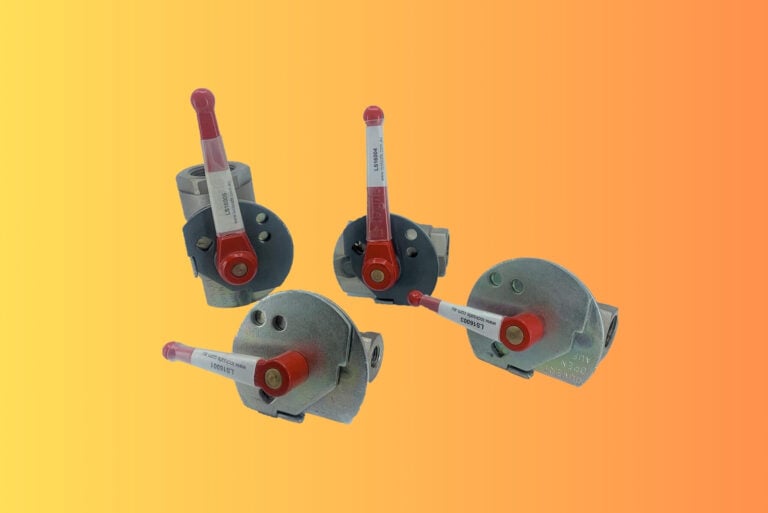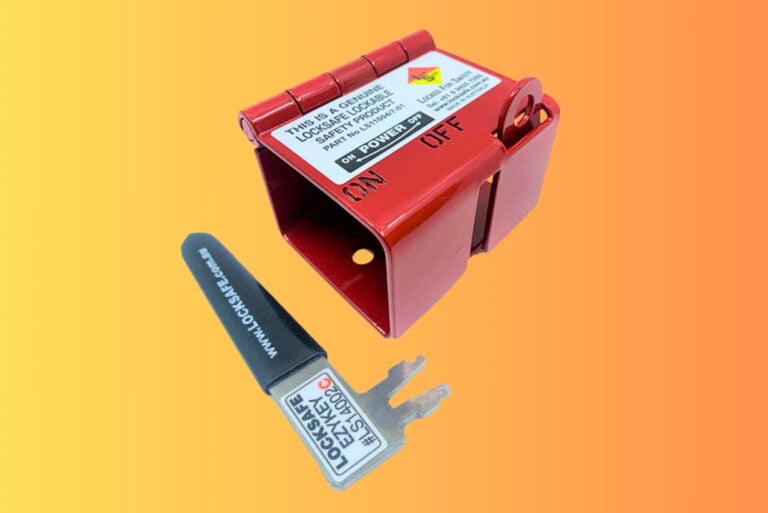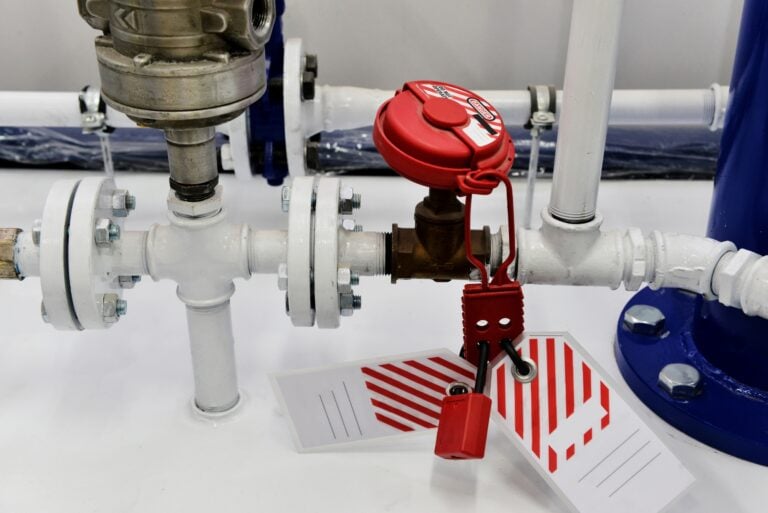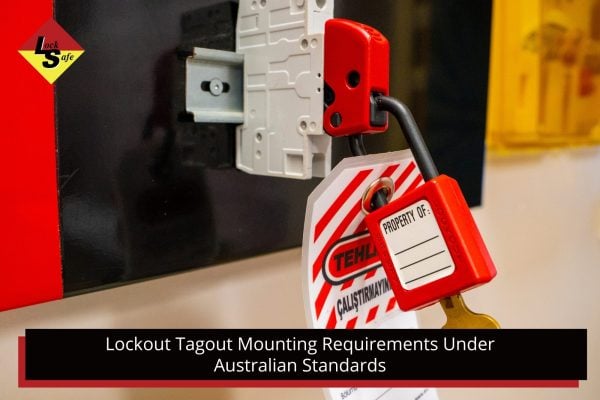
Lockout Tagout (LOTO) systems are an essential part of workplace safety across Australia. They prevent accidental energisation of machinery and equipment during maintenance or servicing, protecting workers from serious injury or harm.
While most workplaces understand the importance of isolation procedures, proper mounting and placement of lockout equipment are often overlooked. Mounting systems correctly is critical to ensure accessibility, visibility, and compliance with Australian safety standards.
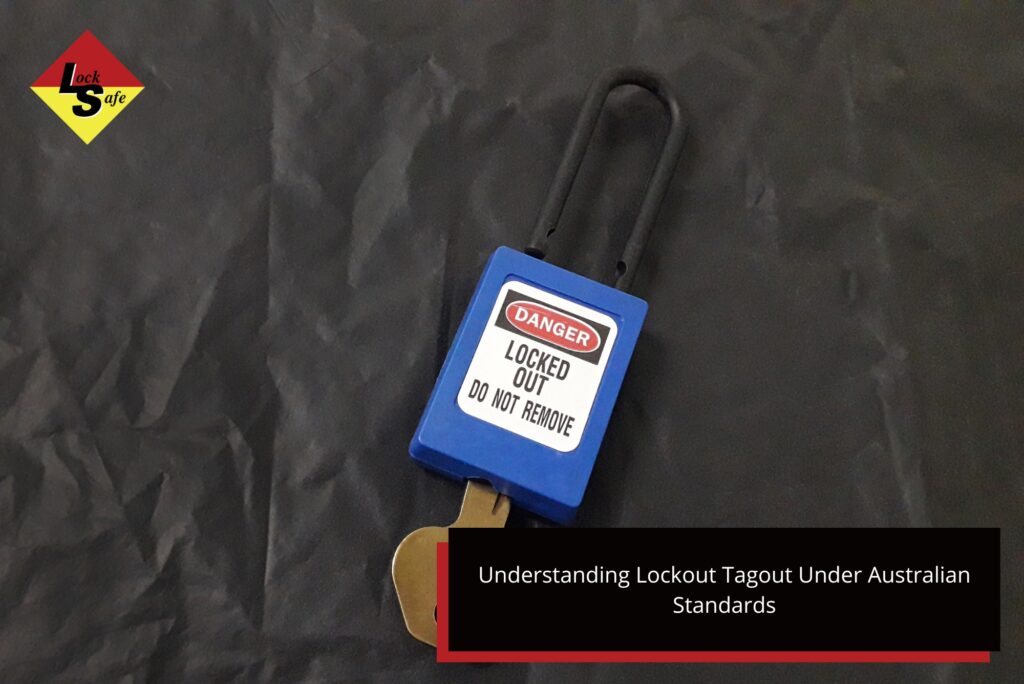
Understanding Lockout Tagout Under Australian Standards
LOTO procedures are guided by Australian Standards and Safe Work Australia’s safety frameworks, which outline how energy sources must be isolated and controlled during maintenance or repair.
One of the key references is Model Code of Practice: Managing the Risks of Plant in the Workplace from Safe Work Australia expands on these legal duties and outlines what “reasonably practicable” isolation looks like.
It explicitly recommends a formal Lockout Tagout procedure and states that a reliable isolation system must be used to prevent accidental start-up or release of stored energy during work on plant.
As well as the Australian Standards there are technical guidelines you can follow, that would help demonstrate that you (the employer) have taken all the necessary steps and practical measures to meet your WHS obligations in your jurisdiction.
AS 4024.1603-2006 specifies requirements for preventing the unexpected start-up of machinery
Reg 208 – Control of plant
Employers (PCBUs) must ensure that plant is fitted with, or has provision for, a lockable isolation device so that the equipment can be rendered inoperable during maintenance, cleaning, or repair.
Reg 209 – Isolation of plant
Before any inspection, maintenance, cleaning, adjustment or repair, the plant must be:
- Shut down
- Isolated from all energy sources
- Secured against accidental movement or re-energisation
Failure to provide physical lock-off capability (such as a lockable isolator, valve, or circuit switch) is a breach of Regulation 208–209.
Why Proper Mounting Matters
Lockout systems are only as effective as their installation. Poorly mounted or hidden lockout devices can lead to unsafe practices, missed isolation points, and potential breaches of compliance.
Proper mounting ensures that isolation devices are:
- Easy to locate during maintenance or emergencies.
- Consistently positioned across work areas.
- Securely fixed to withstand vibration, moisture, or impact.
- Clearly labelled and maintained for long-term visibility.
When isolation points are mounted correctly, workers can follow lockout procedures with confidence, knowing that equipment is safely de-energised.
Key Mounting Principles Under Australian Standards
The following mounting principles align with national standards and best practices recommended by Safe Work Australia:
1. Visibility
Lockout stations and devices should be mounted in clear view and close to the relevant isolation point. Workers must be able to easily identify and access them without obstruction. See our guide to lockout tagout boards and stations for the board types and how to size one.
Locks and tags must be fixed in a way that they cannot be easily removed, bypassed or overridden without deliberate action.
Tags should be mounted next to the lock or isolator device so that operation cannot occur without the tag being visible.
Mounting devices should ensure that tags are not covered by other labels, equipment or attachments.
2. Accessibility
Mount systems at a practical height so authorised personnel can reach them comfortably and operate them safely. Avoid mounting behind machinery or in confined corners.
The mounting point should not interfere with the normal operation of the isolation device when the lock/tag are removed. It should allow the device to be operated normally when the lock/tag are removed.
The mounting point or lock-out bracket should be designed to avoid introducing a risk (for example, not impeding emergency operation, not obstructing the path of the isolator).
Materials used for mounting (brackets, hasps, adaptors) must be suited to the environment (indoors, outdoors, corrosion-resistant if exposed) to ensure integrity over time.
3. Durability
Mounting components should be made from robust materials that resist corrosion, heat, and exposure to industrial environments. Consistent maintenance helps ensure reliability.
4. Clear Identification
Each mounted lockout station should be clearly labelled, showing which system or energy source it isolates. Labels must remain legible and follow standardised colour-coding and warning formats.
5. Consistency Across Sites
Uniform installation across all facilities reduces confusion and ensures that every worker understands where to find and how to operate lockout devices.
Choosing the Right Mounting System
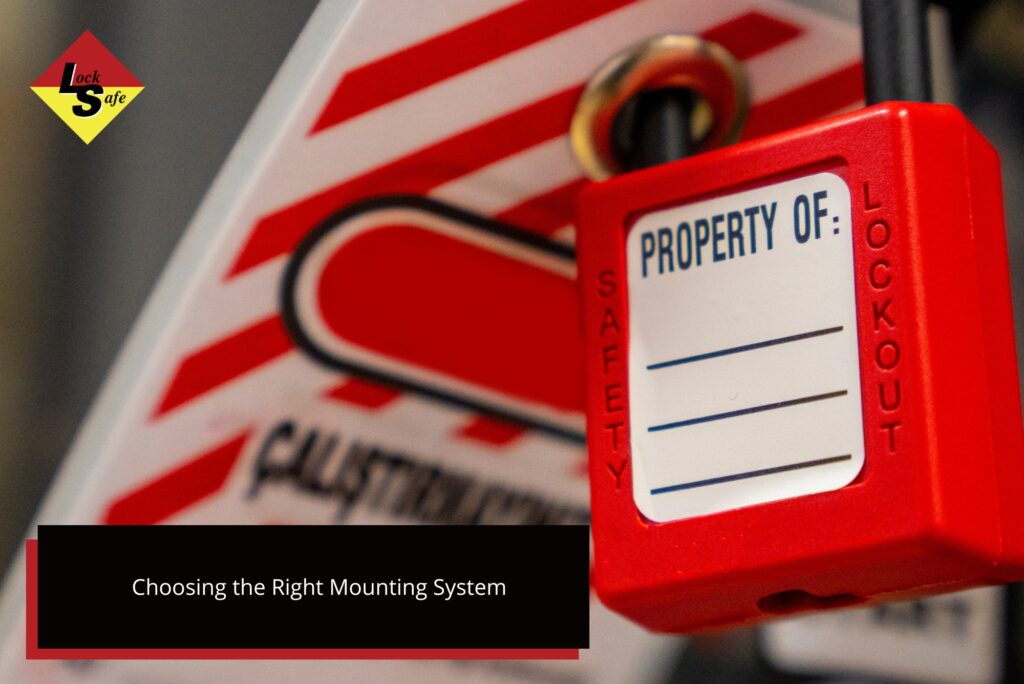
Mounting options vary depending on the size, layout, and complexity of your facility. Some workplaces use portable lockout boards, while others prefer fixed wall-mounted systems for centralised control.
Locksafe provides a full range of mounting options designed to suit industrial, commercial, and mining environments. Each system is built to support compliance with Australian Standards and deliver lasting durability in demanding conditions.
Maintaining Compliance and Safety
Maintaining compliance is an ongoing responsibility. Lockout Tagout systems, including mounting hardware, should be inspected regularly to ensure they remain secure, visible, and functional.
Routine safety audits help identify loose fittings, worn labels, or faded tags that could reduce the system’s effectiveness. Regular staff training is also essential so that everyone understands the location and use of mounted lockout devices.
Lockout Tagout Guide for Australian Workplaces
Lockout Tagout systems form a vital layer of protection in any workplace where machinery or hazardous energy is present. Ensuring proper mounting of these systems is not just a compliance requirement but a key safety measure that protects lives and prevents costly downtime.
By installing secure, visible, and standard-compliant lockout systems, Australian businesses can maintain safe working conditions and uphold their legal obligations under national standards. Contact Locksafe today to discuss how our range of quality products can assists your safety requirements.