


Choosing between wall-mounted and portable Lockout Tagout kits depends on how maintenance is carried out at your site. Both options are designed to improve safety and compliance, but each works best in different situations.
Wall-mounted kits are ideal for fixed work areas where maintenance happens in one location. They keep all safety devices in a visible, central spot, making it easier for teams to stay organised and prepared for inspections.
Portable kits suit technicians and contractors who move between equipment or sites. They offer flexibility and convenience, allowing workers to isolate machinery safely wherever they are.
The right choice depends on your workplace layout and maintenance processes. Many businesses use both, keeping wall-mounted kits for shared areas and portable ones for teams working across multiple zones.
Wall-Mounted Lockout Tagout Kits
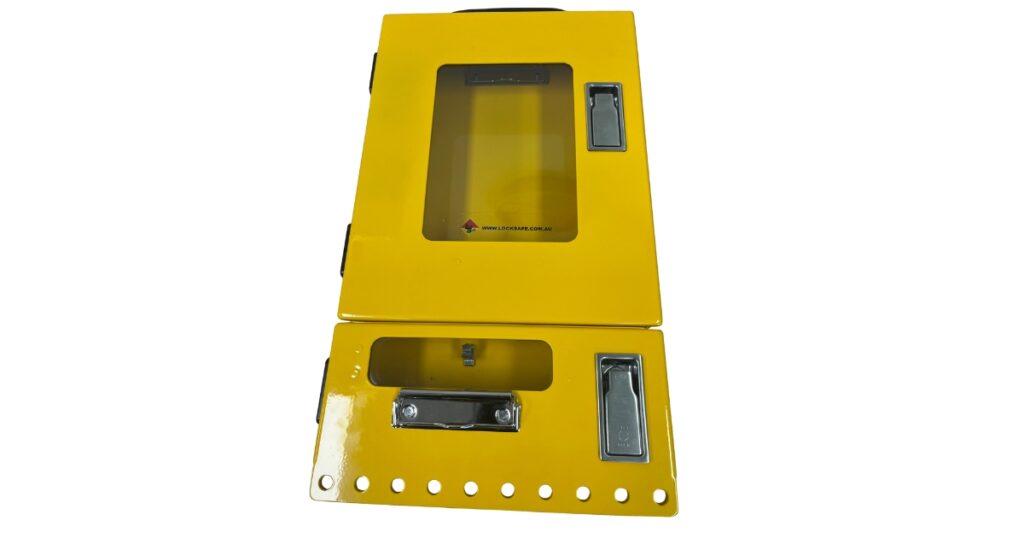
Wall-mounted Lockout Tagout kits are fixed in a central area, often close to machinery or maintenance zones. They provide quick access to essential safety equipment, helping teams isolate energy sources efficiently and maintain compliance with safety procedures.
These kits are best suited to workplaces where maintenance occurs in consistent locations, such as factories, workshops, and processing plants. By keeping everything in one place, wall-mounted stations make it easier for teams to find the right devices when they need them.
A visible, permanent lockout station also supports safety culture and accountability. When lockout tools are clearly organised and accessible, it helps promote safe practices and ensures equipment is stored correctly after use.
Benefits of Wall-Mounted Kits
Wall-mounted Lockout Tagout kits offer several advantages for workplaces with fixed maintenance zones or shared equipment. Having a centralised safety station makes it easier for staff to locate and return devices, keeping the area organised and audit-ready.
A clearly visible lockout point also reinforces compliance. During inspections, auditors can see that safety equipment is accessible, properly labelled, and used according to procedure. This visibility supports both accountability and consistency in maintenance routines.
Wall-mounted kits are also built to handle frequent use. Their sturdy design protects lockout devices from dust, impact, and daily wear, making them ideal for busy facilities where safety systems must stay dependable over time.
Portable Lockout Tagout Kits
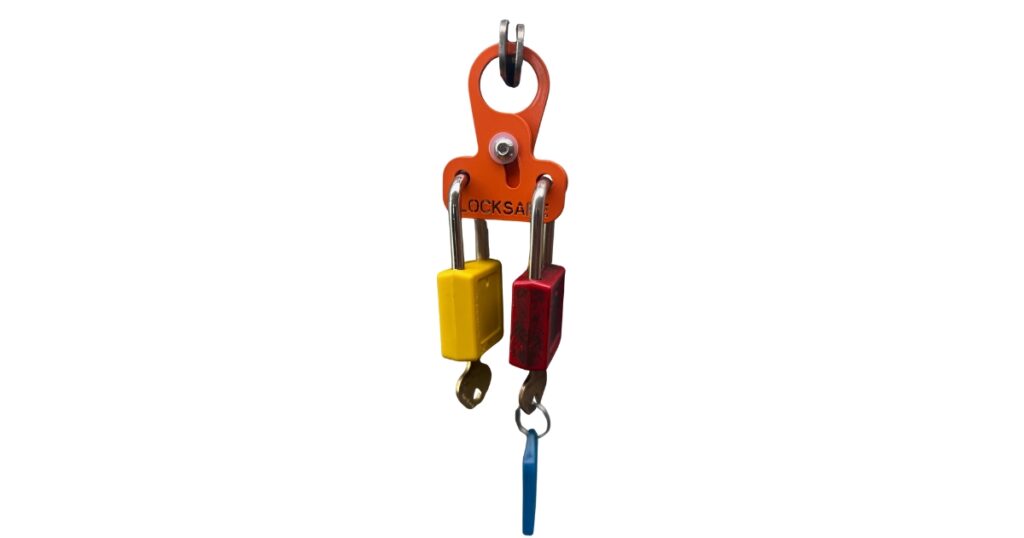
Portable Lockout Tagout kits are designed for mobility. They include the same essential devices as wall-mounted kits but in a compact, lightweight format that can be carried to different areas of the site.
These kits are ideal for technicians, electricians, and contractors who work across multiple buildings or job sites. Having a portable kit means staff can isolate machinery wherever maintenance is needed without returning to a central station.
Portable kits are also useful for workplaces with changing layouts or equipment locations. By keeping lockout tools within reach, they help reduce downtime and make it easier for teams to stay compliant even when moving between tasks or departments.
Benefits of Portable Kits
Portable Lockout Tagout kits are a practical choice for teams that move between equipment or job sites. Having a complete set of lockout devices on hand saves time and helps workers isolate machinery safely, no matter where they are.
These kits offer flexibility and convenience. Technicians can carry the tools they need directly to the work area, reducing downtime and improving workflow efficiency. The compact design also makes it easier to keep lockout equipment organised while travelling between jobs.
Another advantage is adaptability. Portable kits can be customised for specific tasks, such as electrical, mechanical, or hydraulic maintenance. This ensures each technician has the right tools for their work environment while maintaining safety compliance.
To explore different kit types and configurations, check our products page for a full range of Lockout Tagout systems designed to meet Australian safety standards.
Which Option Suits Your Site
The best Lockout Tagout setup depends on how maintenance is managed within your workplace. Each kit type offers benefits suited to different layouts and workflows.
Wall-mounted kits are ideal for fixed machinery and clearly defined maintenance areas. They provide a central point for all safety equipment, making it easier to maintain organisation and consistency. This setup works well in factories, workshops, and processing plants where maintenance teams operate in the same location each day.
Portable kits, on the other hand, are better suited to mobile maintenance teams or large facilities with multiple buildings. They provide flexibility for technicians who move between areas or perform work offsite, keeping essential lockout devices within reach.
Many businesses find that using both systems offers the best balance. Wall-mounted stations support shared work zones, while portable kits give technicians the mobility they need for fieldwork and remote maintenance.
Choosing the Right Lockout Tagout Kit for Your Workplace
Both wall-mounted and portable Lockout Tagout kits play an important role in maintaining safety and compliance. The best choice depends on your team’s workflow and how often maintenance takes place in different areas.
Wall-mounted kits help keep shared maintenance zones organised and consistent, while portable kits support teams who move across multiple sites or equipment. When used together, they create a complete safety system that improves accessibility and efficiency.
Contact LockSafe for expert advice on selecting the right Lockout Tagout setup for your site. Our specialists can recommend the best combination of systems to match your maintenance processes and safety goals.


