An isolation switch is a manual device that disconnects electrical energy from equipment before maintenance or inspection begins. It creates a visible, physical break in the circuit so no current can reach downstream machinery while work is carried out.
Isolation switches are used across mining, construction, manufacturing, and heavy transport, wherever powered machinery needs to be made safe before someone works on it. Missing this step during maintenance is one of the most common causes of electric shock, mechanical injury, and unexpected start-up on Australian worksites, which is why isolation switches form part of most lockout and tagout (LOTO) procedures.
What Is an Isolator Switch
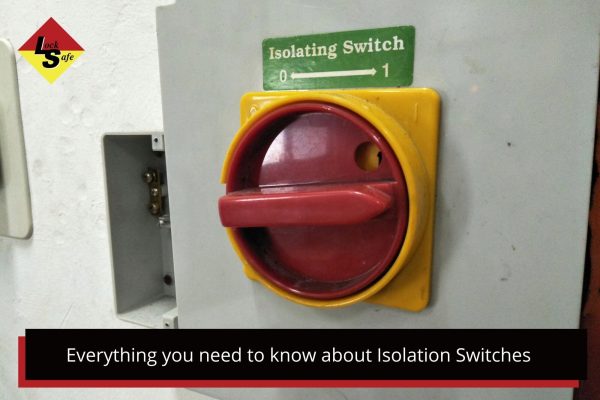
An isolator switch, also called an isolation switch or electrical isolator switch, is a manual device that opens a circuit so no current can pass to downstream equipment. It is intended for off-load operation and provides a fixed open state for safe access to machinery or conductors.
This device is different from a circuit breaker. A breaker interrupts fault or overload current and provides protection, while an isolator is used after the circuit is made safe to ensure separation. In practice, the isolator is operated first for shutdowns that do not involve fault clearing, or after protective devices have removed load.
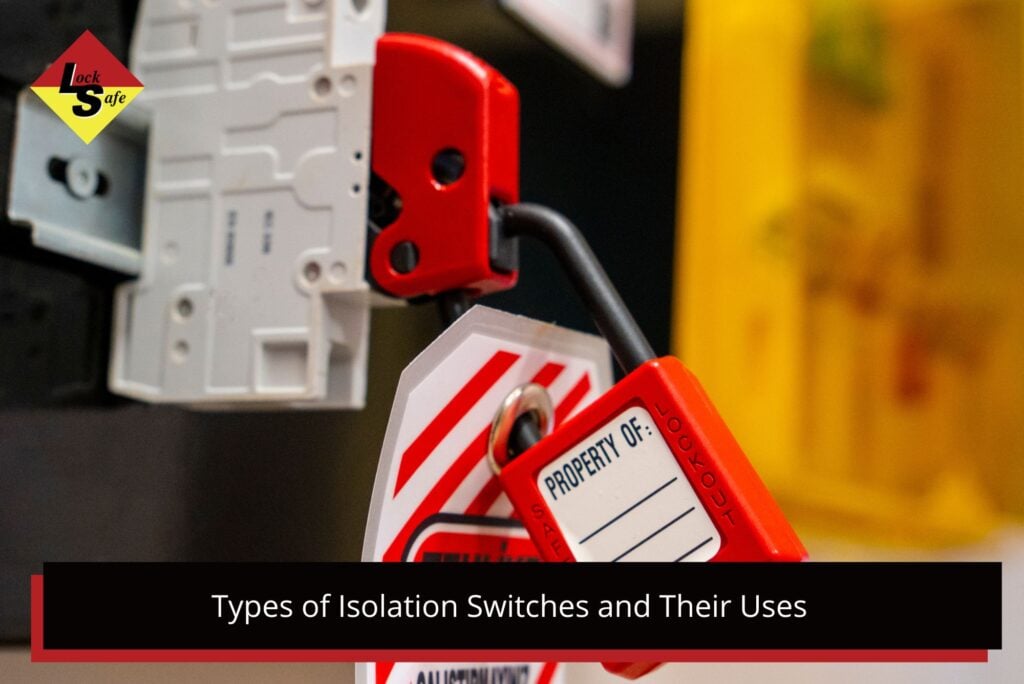
Typical forms include rotary and lever mechanisms, with enclosed versions for harsh environments. Selection is based on voltage, continuous current, utilisation category, and installation location. Many models include a hasp or provision for a padlock to support lockout and tagout.
Installation must align with AS/NZS 3000 for placement, labelling, and conductor terminations, and the device must be maintained on a set schedule to keep contacts and mechanisms in working order.
What Are the Types of Isolation Switches?
Isolation switches disconnect machinery or electrical systems from the power source during servicing or an emergency, and they form the first step in most lockout processes. The two most common types on Australian worksites are the starter isolator switch and the battery isolator switch.
A battery isolator switch sits between the battery and the electrical system. Switching it off stops current from reaching controls and motors, and it is used on mobile plant, mining vehicles, and marine equipment to prevent unintended activation and allow safe checks when equipment is idle.
A starter isolator switch is installed in the starter circuit. Switching it off stops the engine from cranking while maintenance is carried out, while still allowing non-drive functions such as lighting or monitoring to stay powered for testing.
Selection should match voltage and current rating, environmental protection, and access needs. Correct placement and clear labelling help operators use the device quickly and verify the circuit is open before work begins.
How Does an Isolation Switch Work?
An isolation switch works by physically separating its internal contacts, creating a visible break in the circuit that stops current from reaching connected equipment. The switch stays open until it is manually returned to the on position, and most designs clearly indicate when they are off so workers can confirm the power supply is disconnected.
Every unit is rated for a specific voltage and current to suit the system it controls. Underrated devices can overheat or fail, so correct selection is critical. Installation should position the switch for easy access, apply clear labelling, and meet AS/NZS 3000 requirements.
For maximum safety, operation of the switch must be paired with procedures that verify no residual or stored energy remains in the system before any work begins.
How Does a Battery Isolator Switch Work?
A battery isolator switch works by breaking the connection between a battery and the rest of a vehicle or machine’s electrical system. Turning it to the off position physically opens the circuit, stopping current from reaching the starter motor, controls, and accessories, which prevents accidental start-up and lets equipment sit safely isolated while work is carried out.
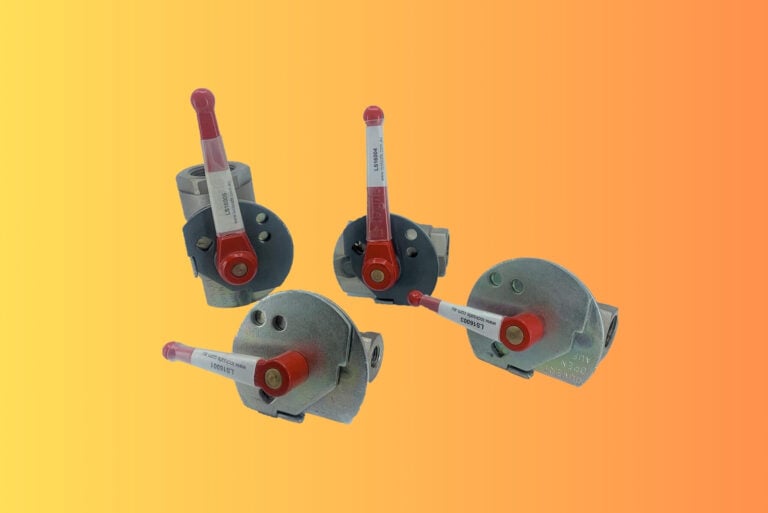
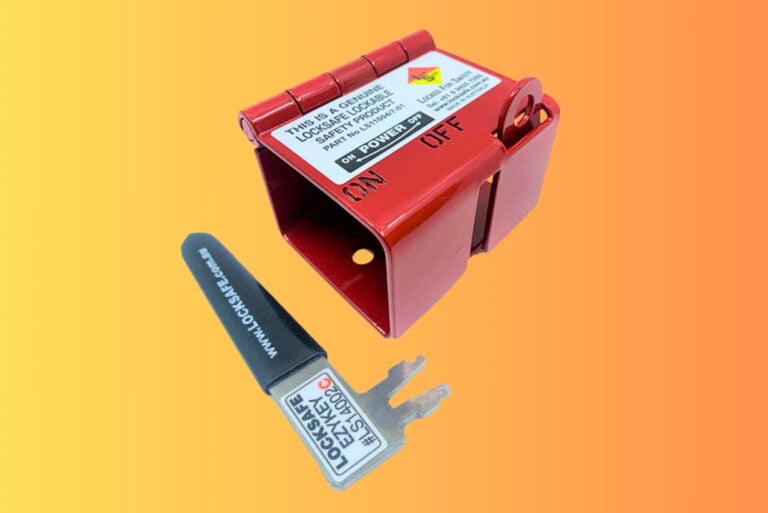
Locksafe’s battery isolator switches are manual rotary or lever devices from brands including Cole Hersee, Hella, and Bosch, mounted directly on or near the battery terminal. Paired with one of our locking brackets, the switch can be secured with a padlock as part of a lockout and tagout procedure, without needing to remove any wiring or cables.
This is what makes them suited to mining vehicles, mobile plant, and marine equipment, where the isolated state needs to be locked out and verified, not just switched off. Our isolator assemblies combine the switch and locking bracket in one unit for straightforward installation.
Where Are Isolation Switches Used?
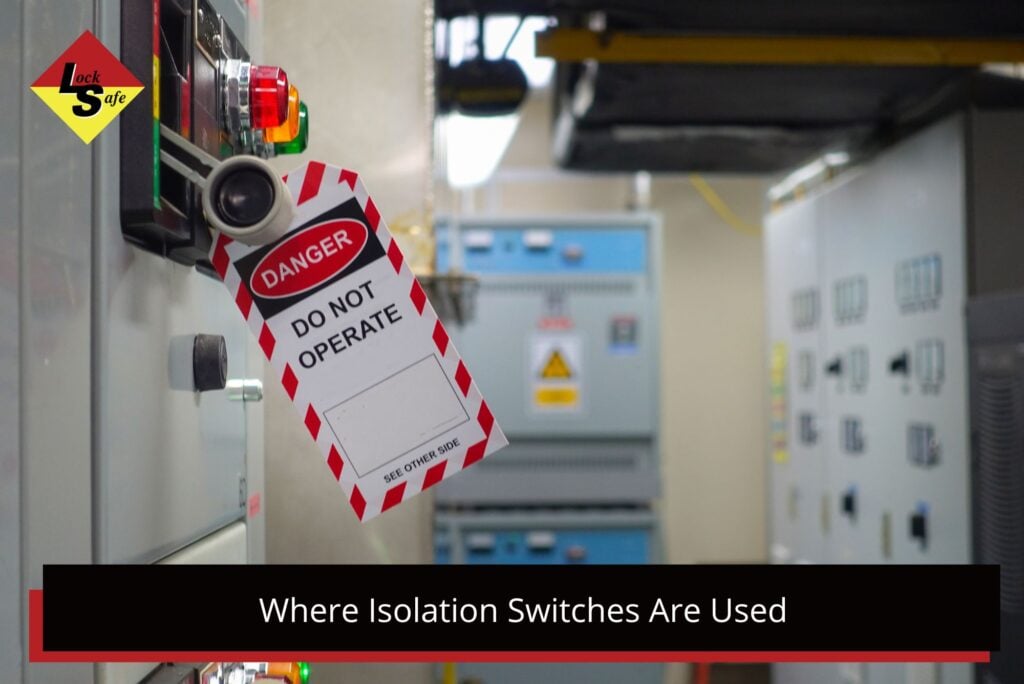
Isolation switches are installed across a wide range of industries to control hazardous energy during maintenance, inspections, and emergency shutdowns. Their use is most common in environments where machinery operates under high electrical loads or presents significant mechanical hazards.
In the mining sector, isolation switches are fitted to haul trucks, conveyors, crushers, and processing equipment to allow safe servicing in high-risk areas. Construction sites use them on mobile plant and fixed installations to prevent unplanned activation during repair work. In manufacturing, they are integrated into production lines, CNC machines, and other powered equipment to ensure compliance with safety procedures.
Marine and transport industries rely on isolation switches for both safety and battery preservation, allowing operators to cut power when vessels or vehicles are idle. Agricultural operations use them on harvesting machinery and pumps to reduce the risk of injury when working near moving components.
Regardless of industry, placement of the switch is critical. It must be accessible, clearly labelled, and tested regularly to ensure it functions as intended.
Safety Standards and Compliance in Australia
AS/NZS 3000 is the wiring rules standard that governs how isolation switches must be installed, labelled, and made accessible on Australian worksites, alongside WHS Regulations that require hazardous energy to be controlled during servicing and maintenance.
Switches must be rated for the maximum voltage and current of the circuit, provide adequate contact separation to prevent arcing, and be installed in accessible, clearly marked positions. In most workplaces, they are integrated into lockout/tagout systems, with secure locking points and tags to prevent unauthorised reconnection.
Regular inspection is a compliance obligation, not an optional step. Employers must follow manufacturer-recommended intervals or documented maintenance schedules to confirm mechanical integrity, verify clean and undamaged contacts, and ensure the switch opens and closes the circuit correctly. Any fault or wear must be rectified immediately to maintain operational safety and legal compliance.
Failure to meet these requirements can lead to WHS breaches, fines, downtime, and increased injury risk.
Safe Use Procedures
Correct use of isolation switches is essential for controlling hazardous energy and preventing workplace incidents. Before starting any maintenance or inspection, machinery must be fully shut down and isolated from its power source.
The general procedure includes:
- Stop the equipment using normal operating controls.
- Identify all energy sources, including electrical, hydraulic, and pneumatic systems.
- Operate the isolation switch to disconnect electrical supply.
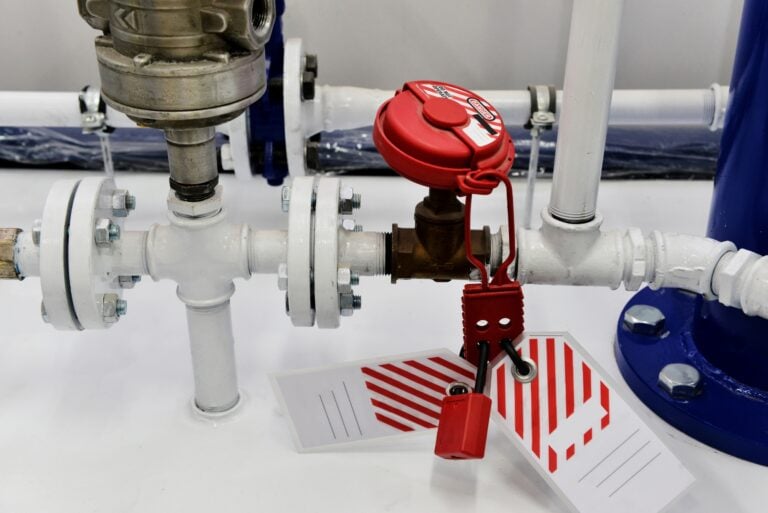
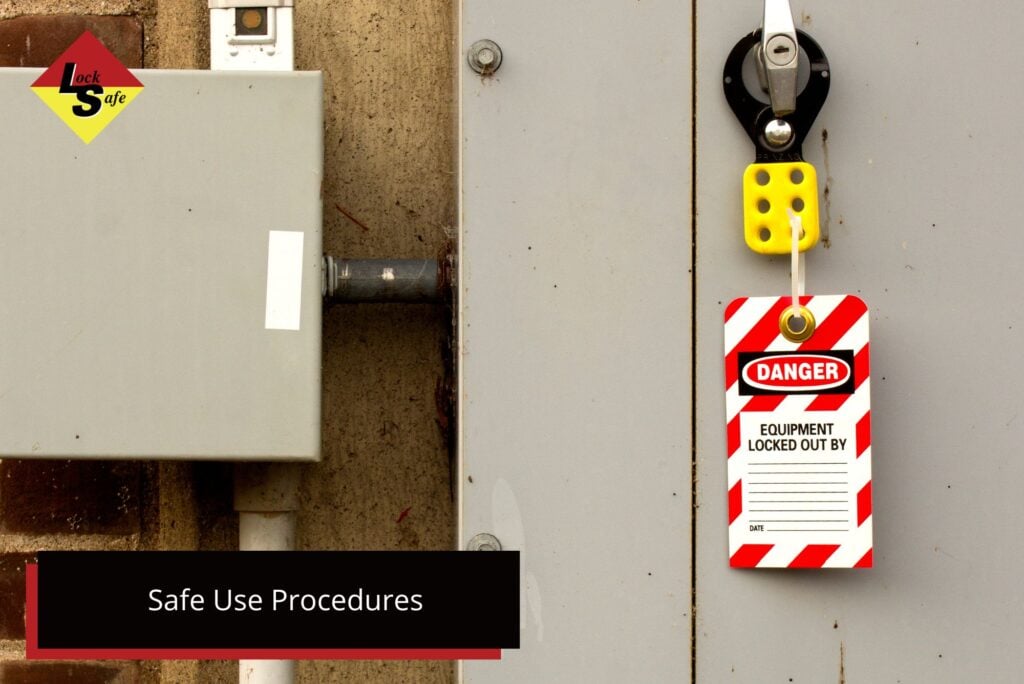
- Apply a lockout device to the switch where required.
- Attach a clearly marked tag with the name and date of the person performing the isolation.
- Test to confirm no residual energy remains before commencing work.
Only the person who applied the lock and tag, or an authorised supervisor, should remove them. If the equipment is out of service, an “out of service” tag must remain in place until it is safe to operate.
Following these steps ensures compliance with workplace safety regulations and reduces the risk of accidental re-energisation.ions and reduces the risk of accidental re-energisation.
Get Compliant Isolation Switch Solutions
Locksafe supplies a wide range of isolation switches and lockout devices designed for Australian worksites. Our products meet AS/NZS 3000 Wiring Rules and are built to perform in demanding industrial environments. Whether you need starter isolator switches, battery isolator switches, or protective isolation cabinets, our team can help you select and install the right equipment for your operations.
For advice or to arrange supply, contact us on (08) 9455 7255. We can provide compliant solutions that support your workplace safety procedures and meet WHS requirements.
FAQs
What’s the difference between an isolator switch and an isolator assembly?
An isolator switch is the standalone device that opens the circuit. An isolator assembly combines that switch with a locking bracket already fitted, so it’s ready to be padlocked out of the box instead of needing the bracket sourced and fitted separately.
Do all isolator switches come with a locking bracket?
No. Most isolator switches are sold on their own and need a separate locking bracket to be padlocked as part of a lockout and tagout procedure. Locksafe’s locking brackets are designed to fit Cole Hersee, Hella, and Bosch switches, or you can choose an isolator assembly with both included.
What is the difference between an isolation switch and an isolating switch?
There is no functional difference. Isolating switch and isolation switch are two names for the same device, a manual switch that creates a visible break in a circuit to disconnect power before maintenance.
Are isolation devices and isolation switches the same thing?
Isolation devices is the broader category. It includes isolation switches along with other lockout hardware such as valve lockouts and plug lockouts. An isolation switch is one specific type of isolation device used for electrical circuits.
Can an isolator switch be retrofitted with a locking bracket?
Yes, in most cases. Locksafe’s locking brackets are designed to fit onto existing Cole Hersee, Hella, and Bosch isolator switches without removing the switch or its cables, so an unlocked switch can usually be upgraded for lockout and tagout compliance without full replacement.
Are Locksafe’s battery isolator switches suitable for mining vehicles?
Yes. Locksafe’s isolator switches and isolator assemblies are built for mining vehicles, mobile plant, and marine equipment, where isolation needs to be locked out and verified as part of a compliance procedure, not just switched off.
Are isolators mandatory in Australian workplaces?
In many industries, yes. The WHS Regulations and AS/NZS 3000 Wiring Rules require compliant disconnection devices for certain machinery and installations to control hazardous energy.
How often should these devices be checked?
Inspection intervals depend on operating conditions and manufacturer guidance. Harsh or high-use environments often require more frequent checks to ensure reliability.
Can one isolator control multiple machines?
Only if correctly rated and installed for that configuration. Each connected machine must still be separately disconnected before maintenance.
Do isolators control non-electrical energy sources?
No. They are designed for electrical circuits only. Other energy sources, such as hydraulic or pneumatic, require different disconnection methods.