A lockout tagout board is a fixed or portable station that stores the padlocks, hasps, tags and lockout devices a site needs to isolate plant safely. It keeps every device in one visible place so a worker can find what they need, and a supervisor can see at a glance if something is missing.
Boards come in five broad types: wall mounted, padlock rack, padlock box, portable station and cabinet. Which one suits your site depends on whether the work is fixed or mobile, how many people isolate at once, and what the environment does to equipment.
This guide compares the types, sets out what belongs in a compliant station, and covers placement, materials, security and auditing.
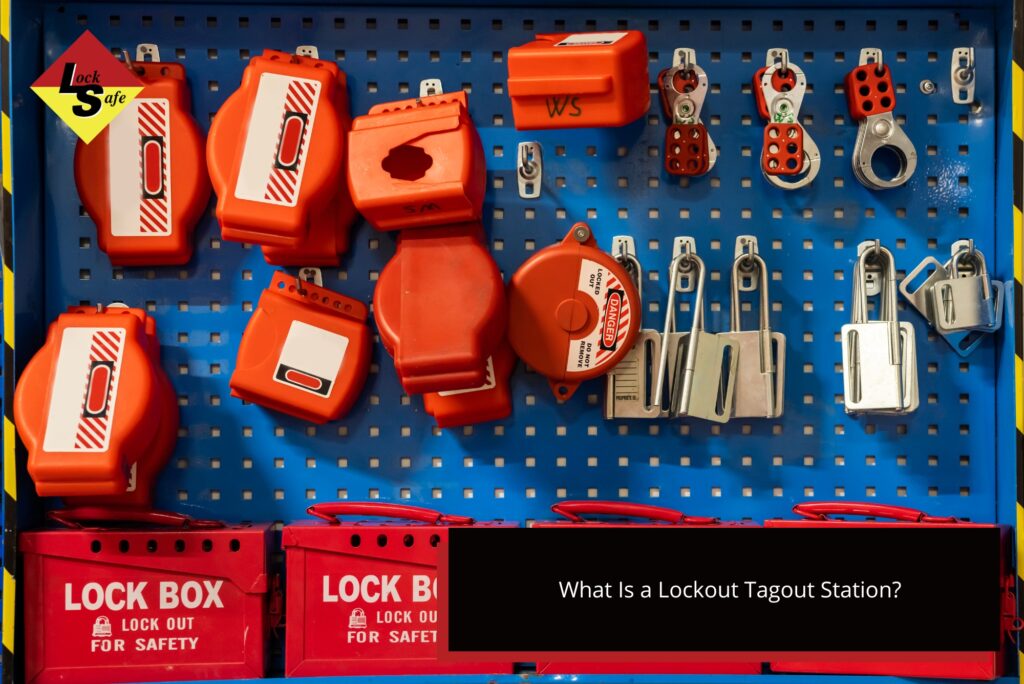
Types of Lockout Boards and Stations
Lockout stations come in different formats, each suited to particular site conditions. The right choice depends on how isolations are carried out and whether the work stays in one place.
| Board type | Best for | Typical capacity | Locksafe product |
|---|---|---|---|
| Wall mounted board | Workshops, switch rooms, fixed production areas | Varies by board size | LSPB-L Large Padlock Board |
| Padlock rack | Small teams, compact spaces, supplementary storage | Compact | LSPADRK Padlock Rack |
| Custom or modular board | Sites where plant or layout changes regularly | Configurable | customisable padlock isolation board |
| Fixed padlock box | Controlled access in high-traffic zones | 20 or 40 padlocks | LSFPB20 and LSFPB26 |
| Portable padlock box | Crews moving between work areas | 20 padlocks | LSPPB20 Portable Padlock Box |
| Portable lockout station | Mobile maintenance, rigs, remote isolations | Full kit | LSPPB29 Portable Lockout Station |
| Cabinet station | Dust, moisture, weather exposure, restricted access | Varies | isolation cabinets range |
| Group lock box | Multi-point isolations with several workers | Multiple personal locks | LSGLB01 Group Lock Box |
Wall mounted or portable?
Wall mounted boards suit fixed plant where isolations happen in the same location repeatedly: a workshop, a switch room, a production line. They hold more, they are always in the same place, and workers learn where they are.
Portable stations suit crews who travel. A maintenance team working across rigs, vehicles or multiple buildings needs the kit with them, not on a wall three hundred metres away. The trade-off is capacity and the risk of the case being left behind.
Large sites usually need both: wall mounted boards at each work zone, plus portable kits for crews who move.
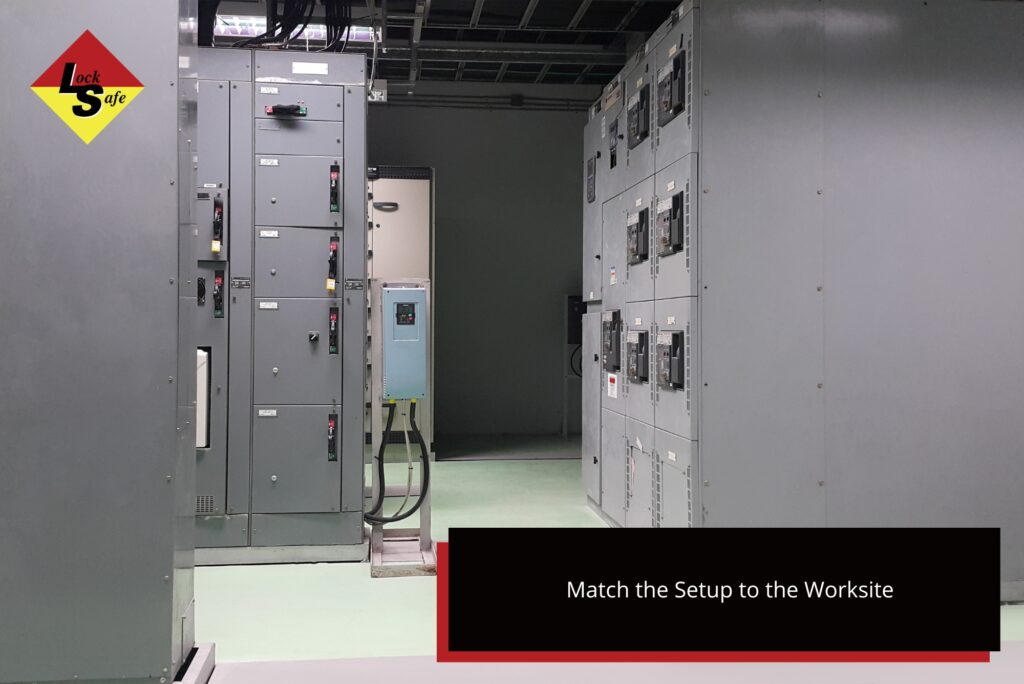
Board, box or cabinet?
An open board gives the fastest access and the clearest visual check, which is why it suits controlled workshops. A padlock box adds a lockable lid where access needs restricting. A cabinet adds protection from dust, moisture and weather, which matters outdoors and in processing environments.
Choose on two questions: does the environment attack the equipment, and does access need controlling. If the answer to both is no, an open board is usually enough.
What Goes in a Compliant Lockout Station
The devices in a lockout station are not accessories. Each one is a control that stops a specific energy source being released while someone is working on the plant. A station missing even one device type forces workers to improvise an isolation, and improvised lockout is a leading contributor to serious injuries and fatalities during maintenance across Australian sites.
Use the following as a contents checklist. The right mix depends on the plant on site, the energy sources involved, and how many people isolate at once.
| Device | What it does | When it is required |
|---|---|---|
| Safety padlocks | Physically secure an isolation point so it cannot be re-energised | Every isolation, individual and group |
| Lockout hasps | Let multiple workers apply their own padlock to one isolation point | Any job with two or more workers on the same plant |
| Danger and out of service tags (LS18006 ID tags) | Identify who applied the lock, why, and what work is under way | Every isolation, alongside the padlock |
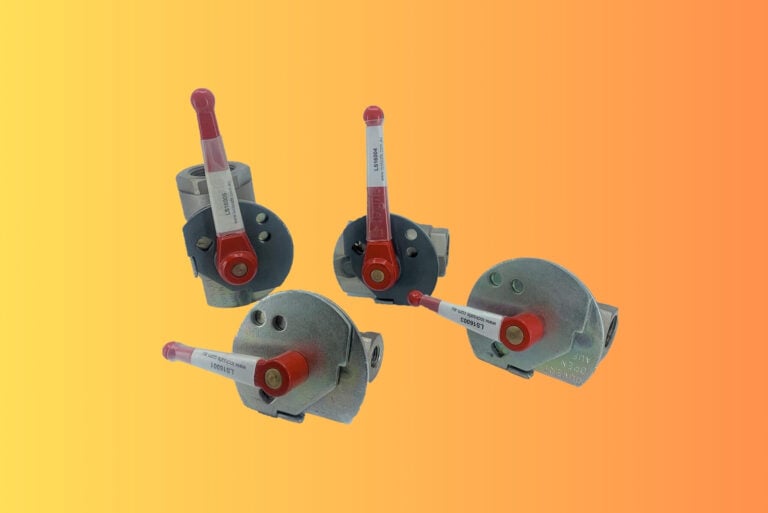
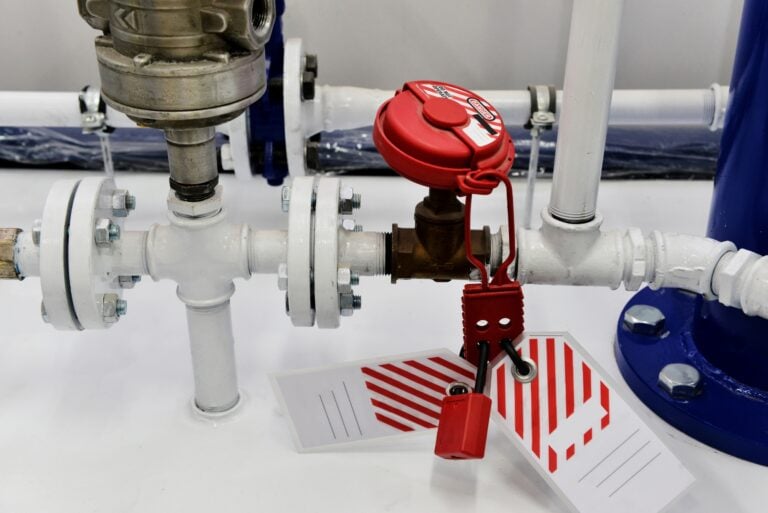
| Valve lockouts | Hold ball, gate and butterfly valves in the safe position | Water, steam, gas, pneumatic and hydraulic systems |
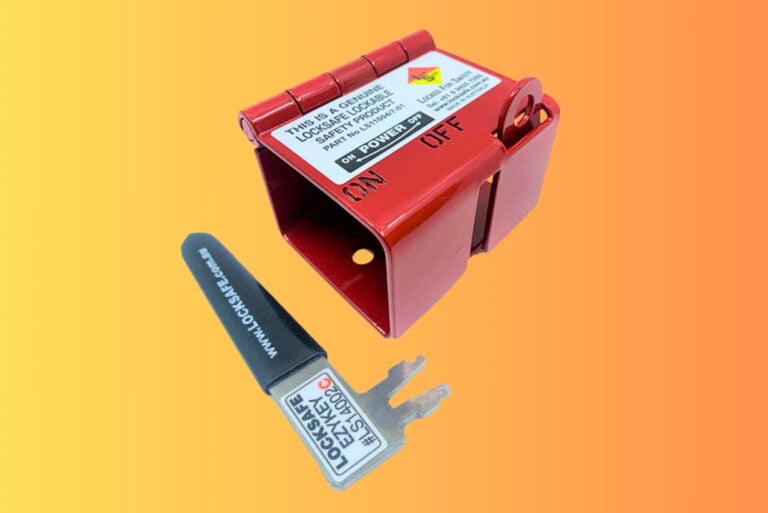
| Electrical plug lockouts | Cover a disconnected plug so it cannot be re-inserted | Portable tools, trailing leads, moveable plant |
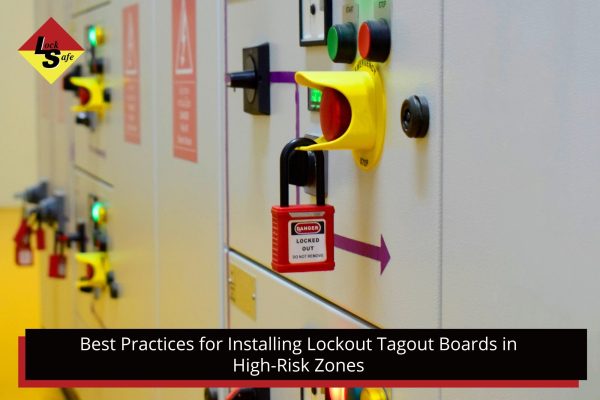
| Lockout plates | Cover switches and push buttons that cannot take a padlock directly | Panel controls, recessed switches, push-button isolators |
| Group lock box | Holds the keys to every isolation point behind each worker’s personal lock | Shutdowns and turnarounds with multiple isolation points |
| Lockout bags | Carry a worker’s complete personal isolation kit between work areas | Mobile crews and multi-location sites |
| Padlock boards and racks | Give every device a designated place so gaps are visible at a glance | High-traffic stations in mining, manufacturing and utilities |
How Many Padlocks Should a Board Hold?
Enough to cover the largest group lockout your site runs, plus a margin. A job with four isolation points and six workers needs four group isolation locks and six personal danger locks, and that is one job. If two crews can be isolated at once, double it.
Running short is not a minor inconvenience. A worker who arrives at the board and finds no padlock available will either stop the job or proceed without isolation, and only one of those outcomes is acceptable.
As a starting point: count the workers who perform isolations on the busiest shift, add the isolation points on your most complex piece of plant, then add 25% for locks in use, damaged or awaiting replacement.
Colour coding the padlocks on your board
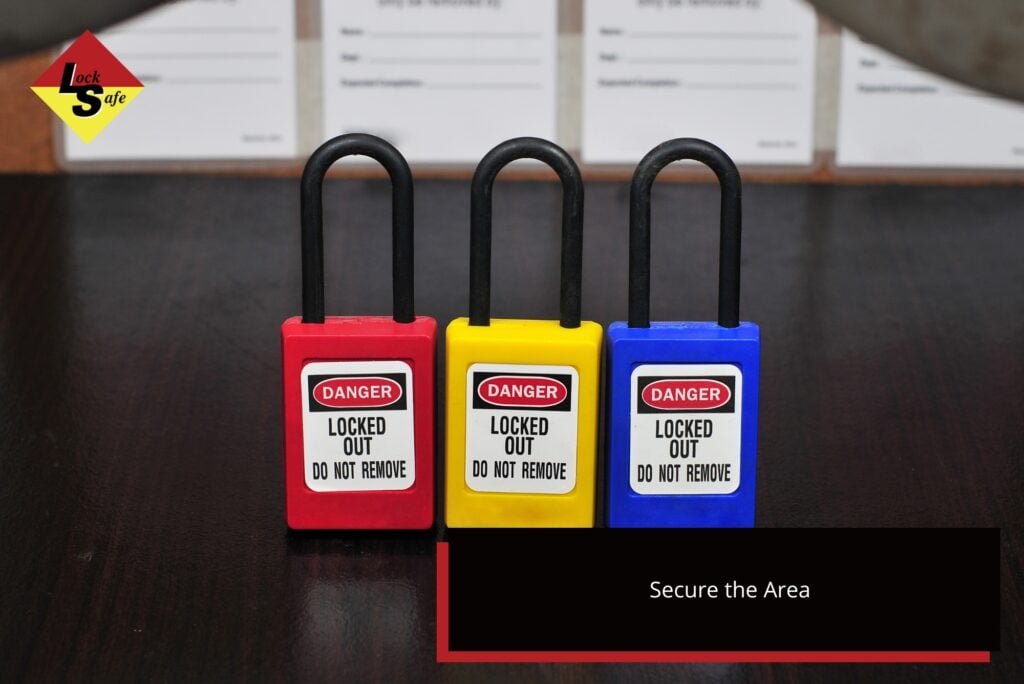
Padlock colour coding by department, trade or worker category is common on Australian sites. Red is almost always reserved for personal danger locks, with the remaining colours allocated by role or trade depending on the scheme. Our isolation lock colour codes guide explains the conventions and how to document your own.
Whatever scheme you use, engrave each padlock with the worker’s name or employee number. Colour identifies the category, engraving identifies the person. Locksafe supplies Masterlock 410 and Lockwood 312 padlocks in eight colours, keyed alike or keyed differently, with custom engraving.
Where to Mount the Board
Placement determines whether a board gets used. If it is hidden behind equipment, blocked with storage, or too far from the isolators, workers will skip it during an urgent shutdown. In high-risk areas that leads directly to unsafe shortcuts.
A good location is visible, reachable and unobstructed. Boards should not sit in the line of moving machinery, hot surfaces, or constant vehicle traffic. Position them close enough to the isolators for fast access while keeping a safe buffer from the hazard itself.
Large sites usually need multiple boards across work zones. A processing facility might mount boards near each production area, while a mobile crew relies on a portable station. Matching placement to how work actually happens means nobody has to leave the job to fetch equipment.
Organising and Labelling the Board
An organised board is the difference between a thirty-second isolation and a five-minute hunt. When devices are mixed together or returned to the wrong place, time is wasted and procedures get skipped.
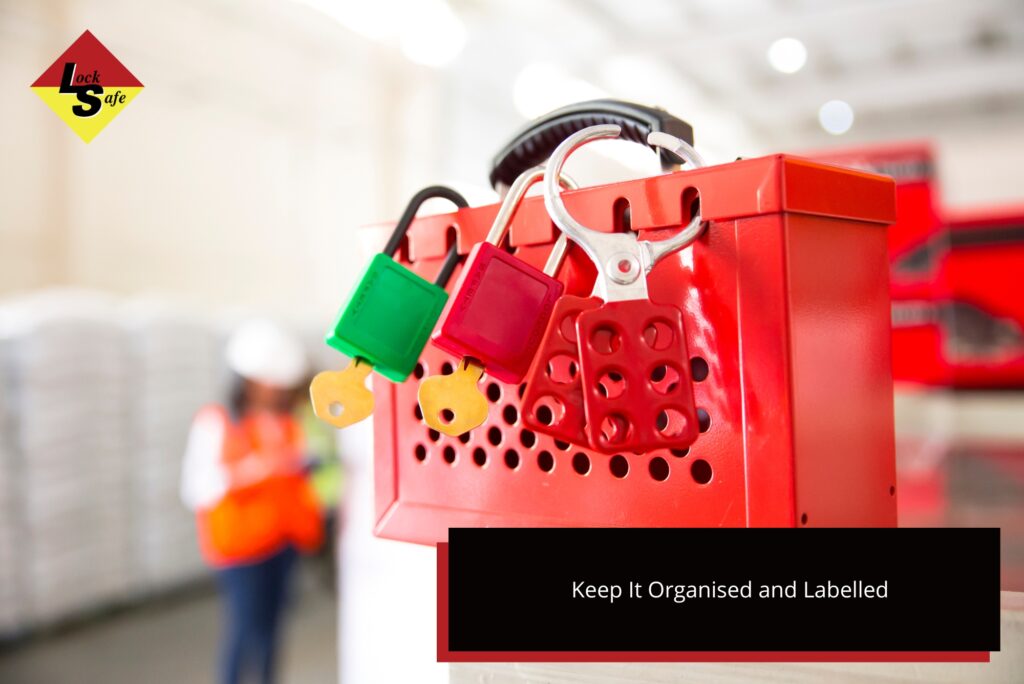
Give every device type a dedicated position: padlocks, tags, hasps, and lockout devices for switches, valves and plugs. Labelled hooks, trays or holders mean equipment is returned to the same spot after use, which cuts losses and speeds up the next isolation.
Organisation also supports inspection. A supervisor can see instantly whether gear is missing, damaged or misplaced, without opening anything or asking anyone. Workers of any experience level can find what they need without being shown.
Durable, Site-Ready Materials
Boards in high-risk zones need to withstand heat, dust, moisture and vibration. Outdoor locations add UV and weather. Stainless steel frames with powder-coated finishes are the common choice on Australian industrial sites because they hold up to corrosion and constant handling. Polycarbonate panels suit areas where visibility and lighter weight matter more.
For portable setups, rugged carry cases with internal mounting panels let technicians move a full kit safely between work areas. A lightweight option costs less up front and fails faster in environments where equipment is handled daily.
Securing the Station
Lockout equipment must be reachable by authorised workers and protected from everyone else. On a busy or contractor-heavy site, an unsecured board loses devices, and missing devices mean skipped isolations.
Lockable cabinets or enclosed stations suit shared worksites. They keep equipment visible while restricting access to trained staff. Keyed locks, combination systems or latch locks all work, depending on site needs. Transparent doors let supervisors confirm availability without opening anything.
Match the security level to the environment. High-traffic zones justify an enclosed cabinet. A controlled workshop usually does not.
Maintain and Audit Regularly
Installing a board is not a one-time task. Devices go missing, labels fade, and access points get blocked by whatever was convenient to put there. Routine inspection keeps the station usable.
Audits should check for missing or damaged devices, unreadable tags, incorrect placement, and obstructed access. Keep the record as part of your WHS documentation.
Hold a small buffer stock of padlocks, tags and hasps near the board so replacements do not delay isolation work. Remind workers to return equipment immediately after use, which is the single habit that keeps a board reliable.
Frequently Asked Questions
What is a lockout tagout station?
A lockout tagout station is a fixed or portable board, box or cabinet that stores the padlocks, hasps, tags and lockout devices used to isolate plant. Keeping every device in one visible, organised place means workers can find what they need quickly and supervisors can see at a glance if anything is missing.
What is the difference between a lockout station and a lockout kit?
A station is a fixed point of storage, usually wall mounted, that serves an area or work zone. A kit is a personal or crew set of devices carried to the job. Most sites use both: stations at each work zone, and kits for crews who move between locations.
What is the difference between a lockout board and a lockout box?
An open board gives the fastest access and the clearest visual check of what is present. A box adds a lockable lid where access needs restricting or the environment is harsh. Cabinets go further again, protecting devices from dust, moisture and weather.
How many padlocks should a lockout board hold?
Enough for the largest group lockout your site runs, plus a margin. Count the workers who isolate on the busiest shift, add the isolation points on your most complex plant, then add around 25% for locks in use, damaged or awaiting replacement.
Need Help Choosing a Lockout Board?
Locksafe manufactures and supplies isolation equipment for Australian mining, industrial and construction sites. Wall mounted padlock boards, padlock racks, fixed and portable padlock boxes, portable lockout stations, stainless steel isolation cabinets and group lock boxes, all built for Australian conditions.
If you are setting up a new station or reviewing an existing one, get in touch. Call +61 (0)8 9455 7255 or contact our team.